Scared of Getting Sick? Understanding Emetophobia (and How to Cope)
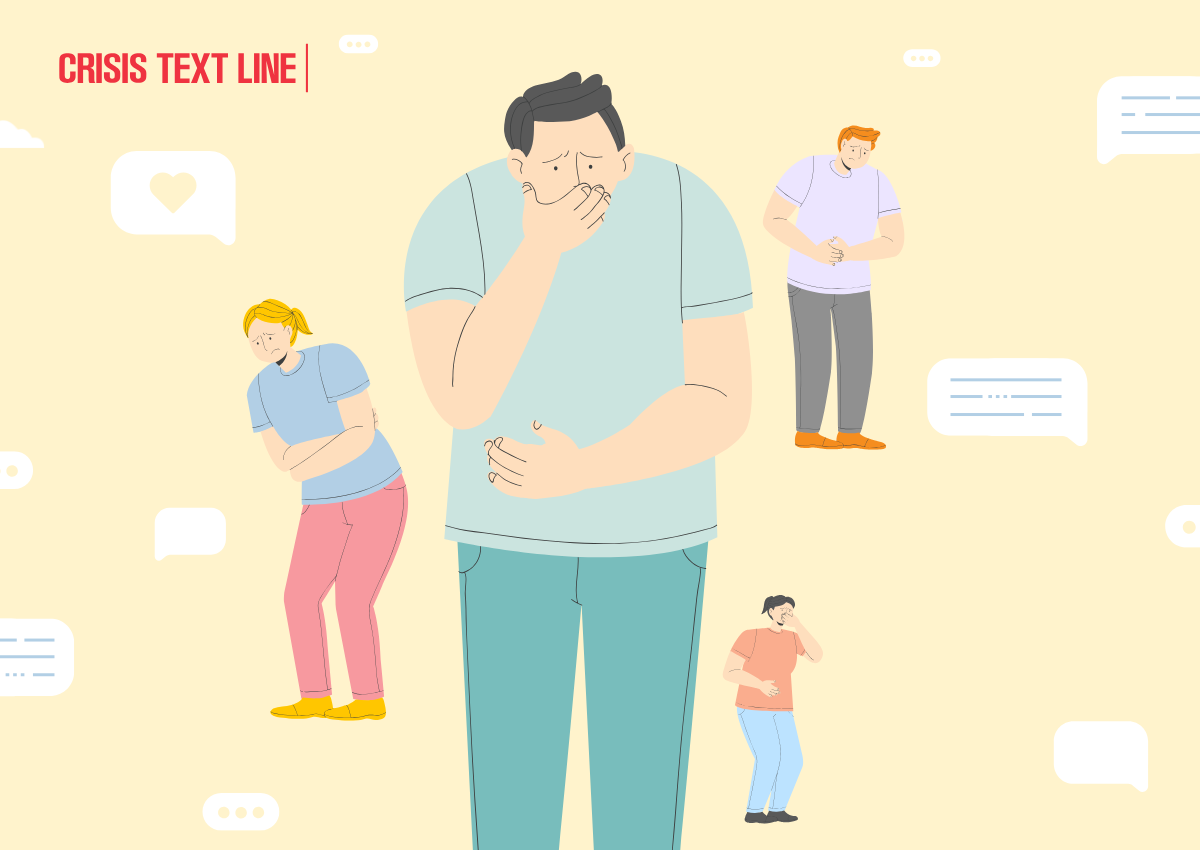
If simply hearing the word “vomit” makes you break out in a sweat, you’re not alone. There’s actually a name for that type of phobia, and it’s more common than you think. Emetophobia, pronounced eh-mee-tow-FOH-bee-uh, derives from the Greek “emein,” which means to vomit, and “phobos,” meaning “fear;” hence, emetophobia is the fear of vomiting. While there are other more widely known phobias, more individuals are now discovering that they might have emetophobia.
What is Emetophobia?
Emetophobia is an intense fear of vomiting. While often the fear is around the person themself vomiting, it can also be a fear of seeing or hearing it. The phobia can be so acute that those suffering from it may change aspects of their lifestyle to avoid activating their fear, such as avoiding certain foods or smells they know are triggering. Emetophobia can also change how friends and family act around a person, having to be more careful about sharing stories that involve vomiting, or even just saying the word “vomit” or similar phrases.
Other Common Phobias
In general, a phobia is a type of anxiety disorder and can develop for several reasons. One way in which it can come about is through a direct traumatic experience, such as having a fear of the ocean after almost drowning. A phobia may also arise through observation of others’ fears. For example, being scared of dogs because growing up, a parent was terrified of them. Another way it can develop is through classical conditioning, where an object, such as a bumblebee, becomes associated with something negative, like being stung. Additionally, phobias can develop with exposure to disturbing images or stories, such as having a fear of blood after seeing a graphic crime documentary.
Below are some more commonly known phobias:
- Arachnophobia: The fear of spiders. It’s one of the more common phobias, so much so that certain video games with spiders have an “arachnophobia setting,” which replaces spiders with something less scary, like a cat.
- Acrophobia: The fear of heights. This can be triggered by being high up, such as when you are in a skyscraper, a plane, or even on a ladder.
- Aerophobia: The fear of flying. Individuals may be unable to control this phobia to the point where traveling by airplane is not an option, which can affect their personal or professional life.
- Claustrophobia: The fear of confined spaces. It can include being in any tight area including a closet, an MRI machine, or an elevator full of people.
- Trypanophobia: The fear of needles. It can also be a fear of getting an injection or having blood drawn.
- Trypophobia: The fear of clustered holes or bumps. Common triggers include lotus pods, honeycombs, sponges, and skin lesions, among others.
- Thalassophobia: The fear of deep, large bodies of water. This fear is specific to oceans or large lakes, and the element of vastness or the unknown of what’s underneath.
While the phobias above may differ, the effects on a person can be similar, and may mimic the symptoms of a panic attack.
Phobia vs Panic Attack: What’s the Difference?
When someone’s phobia is triggered, the individual may experience symptoms including, but not limited to, dizziness, trembling, rapid heartbeat, chest pain, shortness of breath, nausea, or sweating– and typically a combination of one or more of these. The same is true when an individual is having a panic attack; however the difference is in how the symptoms originate.
A phobia has a specific trigger, such as getting caught in an elevator full of people. A person may start to feel physically uncomfortable with one or more of the above symptoms occurring, or– experience a full panic attack. A panic attack, on the other hand, is a sudden, intense episode of anxiety that can happen spontaneously, and is not contingent on having a phobia.
Additionally, a person with a phobia can recover once they’re no longer exposed to the trigger, while a panic attack can last for a longer period of time, depending on the individual’s ability to recover from the symptoms.
How to Manage an Emetophobia-Related Panic Attack (or Any Phobia)
Once triggered due to a phobia, the body will immediately respond to the fear. Fortunately, there are exercises you can do to help calm yourself.
One method is known as the 5-4-3-2-1 technique. This grounding exercise is popular because it allows you to focus on specific things in order to distract your mind from the emotions you’re feeling. Start by scanning your environment and identify five objects around you, describing them to yourself in detail. Next, focus on four things you can touch, three things you can hear, two things you can smell, and one thing you can taste.
Doing a breathing exercise is a useful tool that is soothing and grounding. Box breathing is one such technique. Inhale for four seconds, hold for four seconds, exhale slowly for four seconds, and hold again for four seconds. Repeat until you start to feel relaxed and more in control.
Progressive muscle relaxation (PMR) is another relaxation technique. Focus on a particular muscle group, tense/flex it, and then release. Repeat as needed.
Other ways to manage phobia-related panic attacks include counting backwards slowly, listening to your favorite calming playlist, or using coping statements such as– I am safe; this will pass; this is uncomfortable, but I’m not in danger.
____
Phobias can happen to anyone, and the physical symptoms are a natural response to the fear. While it can feel debilitating, having a phobia doesn’t make you weak, and the good news is that it can be managed, and even treated.
For those with a severe case of emetophobia or other types of phobias, individuals can seek proper treatment and long-term support through a licensed mental health professional. If you are experiencing symptoms of a panic attack or feeling overwhelmed, you don’t have to handle it alone. Text CONNECT to 741741 for free, confidential support, 24/7.