Why I Volunteer: Real Stories and the Impact of Volunteerism
Uniquely fulfilling, a privileged opportunity, crucial, and satisfying. These are just a few phrases volunteers at Crisis Text Line use to describe the work they do to help individuals through their darkest moments. The impact our volunteer Crisis Counselors make on the lives of others speaks to the importance of volunteerism. This month for Volunteer Appreciation Month, we recognize our invaluable volunteers through highlighting, in their own words, why they volunteer and how it has affected them.
Due to our dedicated volunteers, over 1.5 million conversations were supported in 2025. On a global level, they have donated over 9 million hours. So why do they volunteer? We asked a few of our volunteers about their decision to dedicate so much time and energy helping texters. Below are their responses to why.
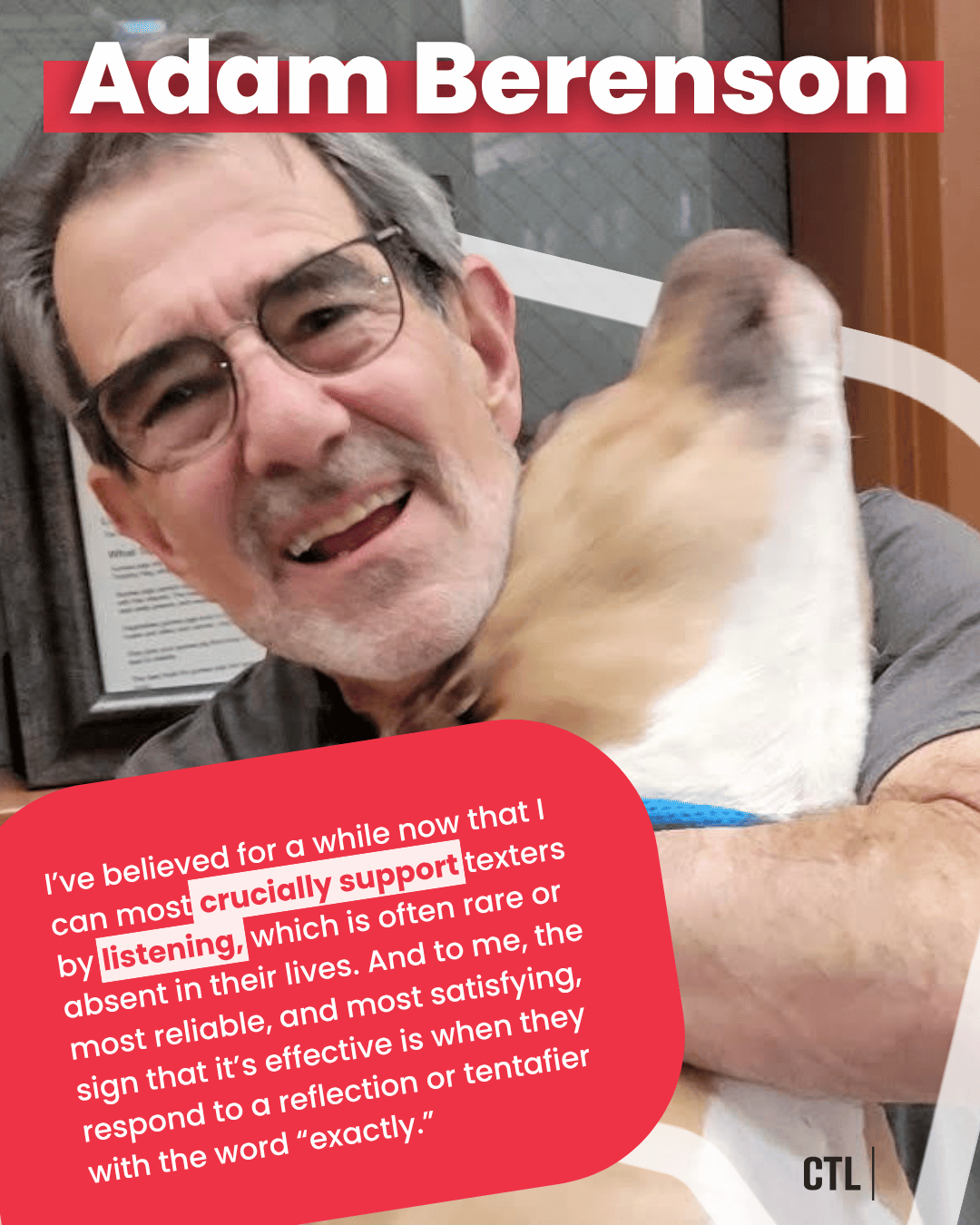
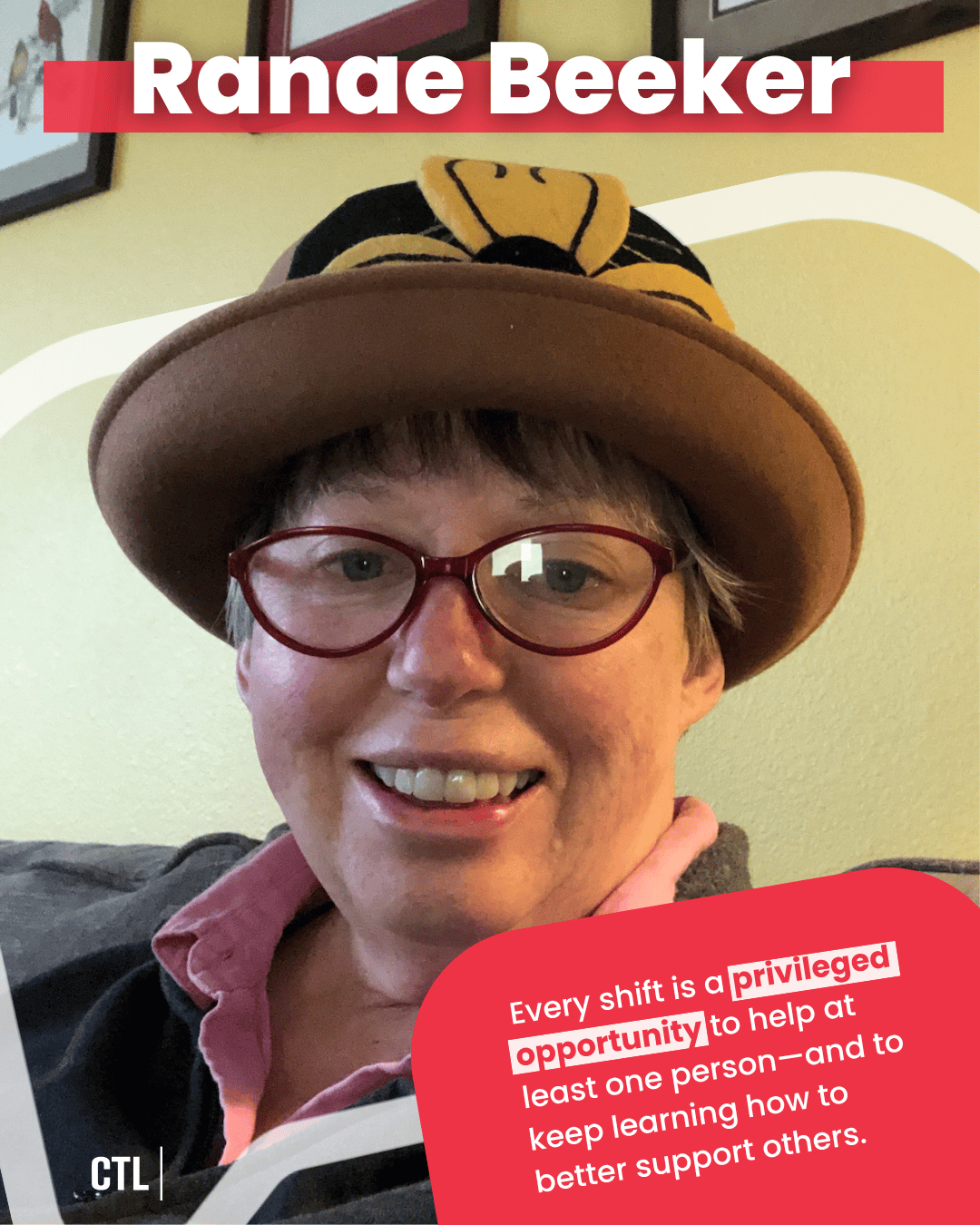

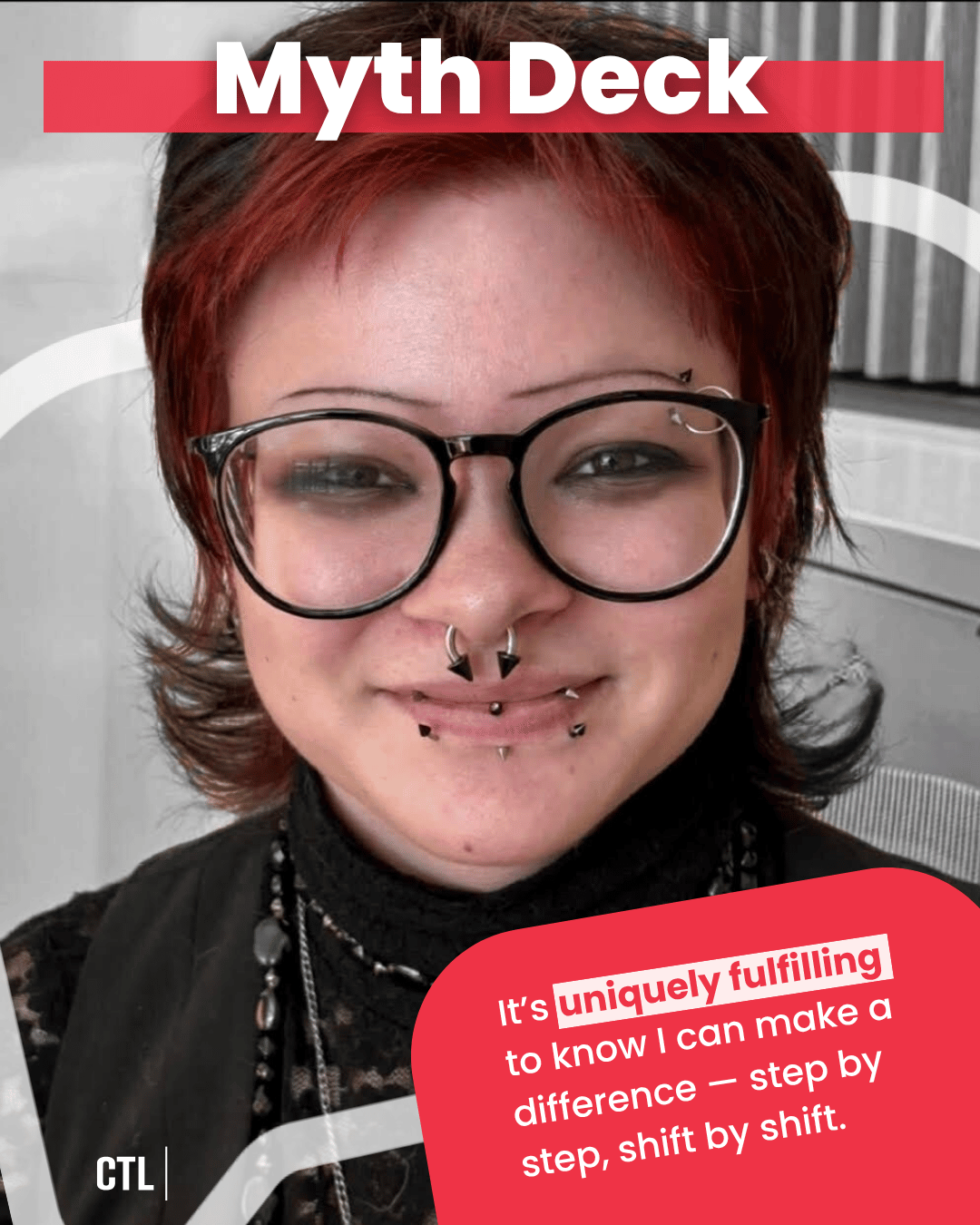
As our volunteer Crisis Counselors describe, volunteerism is an experience that not only benefits those who are seeking support but it creates a two-way effect in which the volunteer is also positively impacted by the work they do. Below we further discuss volunteerism and the impact it makes on the individual and the community.
What Is Volunteerism?
Volunteerism is the act of giving your time, energy, or skills to support a person, cause, or organization, without financial compensation. It’s a form of service to the community rooted in compassion, care, and collective support.
Today, people are increasingly looking for volunteer opportunities because they want to feel useful, connected, and part of something bigger than themselves. In a world that can sometimes feel overwhelming or isolating, volunteering offers a practical way to help while building a stronger sense of purpose.
Volunteerism also looks very different than it once did. While many think of hands-on service as volunteering, it can actually take on many forms. Time is a major component, but so are an individual’s unique strengths, interests, and life experiences. Volunteering can mean lending your professional expertise, supporting others emotionally, helping behind the scenes, or showing up consistently for a cause you care about.
Examples of volunteerism include:
- Participating in local community service projects
- Mentoring youth or peers
- Supporting nonprofits through administrative or event help
- Assisting with fundraising or awareness campaigns
- Volunteering at community events or outreach programs
- Helping those going through tough moments by becoming a trained, Crisis Text Line virtual volunteer
Have you ever asked yourself? Where is the best place to volunteer? The answer is simple: it’s any work that helps meet a need and aligns with your values, interests, and capacity.
Why Is Volunteerism Important?
Volunteerism is important because it helps fill gaps where support is needed most. Many communities and organizations rely on volunteers to provide services, education, resources, and emotional support that may not otherwise be accessible.
So, how does volunteerism help the community? It creates more access, helps organizations serve more people, brings awareness to important issues, and it strengthens the networks of care that help communities thrive.
For many individuals who volunteer, the motivation is deeply personal. Some want to give back after receiving support themselves. Others are looking for a way to contribute, grow, or connect. Volunteerism can also be a way to turn empathy into action. And the impact doesn’t stop there. One of the most overlooked answers to what are some benefits about volunteerism, is how much volunteers often gain themselves.
The benefits of volunteering can include:
- A stronger sense of purpose
One of the most meaningful benefits of volunteering is the sense of purpose it can provide. Contributing to something bigger than yourself can be grounding, especially during stressful or uncertain times. Knowing your time is making a difference can boost confidence and motivation.
- Improved mental health
Volunteerism can also support mental health. Helping others may reduce stress, decrease feelings of isolation, and improve overall emotional well-being. For many, volunteering creates a positive routine and offers a healthy way to stay engaged.
There’s also something powerful about feeling needed and connected. Acts of service can remind us that even in difficult moments, we still have the capacity to support others.
- Physical well-being benefits
Depending on the type of volunteer work, it may support both your physical and mental health. Activities like community gardening, walking dogs, helping at events, or participating in neighborhood cleanups can keep you physically active while also supporting a positive mindset.
- Opportunities to meet new people
Another benefit of volunteering is the chance to meet new people. Volunteering can help you form friendships, expand your network, and feel more connected to your local community. This can be especially valuable if you’re new to an area or looking for meaningful ways to connect with others.
- Skill-building and personal growth
A volunteering experience can also help you learn new skills or strengthen existing ones. You might develop leadership, communication, teamwork, organization, or problem-solving skills. Volunteerism can be a valuable way to grow personally and professionally.
How Volunteerism Makes an Impact
Volunteerism creates impact in two major ways: Within the community and as the volunteer.
Impact on community
Volunteerism helps people access resources, support, and services they may not otherwise have. Whether it’s food, mentorship, emotional support, education, or advocacy, volunteers often help make essential care more available. This is one major answer to the question– how does volunteerism help the community? It creates possibilities. Organizations can expand reach, build stronger support systems, and help communities respond to every day needs and moments of crisis.
Volunteerism also builds connection and awareness. When more individuals are involved and contributing to a cause, communities become more informed, compassionate, and proactive in helping one another.
Impact on the volunteer
A meaningful volunteer experience can have a lasting impact on the person giving their time. Many volunteers feel more fulfilled, connected, and grateful after contributing to something that matters.
Depending on the type of volunteer work, it also can support both physical and mental well-being. For some, volunteering can reduce stress, ease feelings of loneliness, and provide a positive outlet during difficult times. For others, it can encourage movement, structure, and social interaction.
A Real Example: How Crisis Text Line Volunteers Make an Impact
At Crisis Text Line, volunteers play a critical role in supporting people in moments of emotional crisis or struggles with mental well-being. Through training, empathy, and active listening, volunteer Crisis Counselors help texters feel heard, safe, and supported when they need it most.
This is a powerful example of how volunteerism can directly impact the mental health of others. It also shows that volunteering through offering one’s time, compassion, and emotional presence can be life-changing.
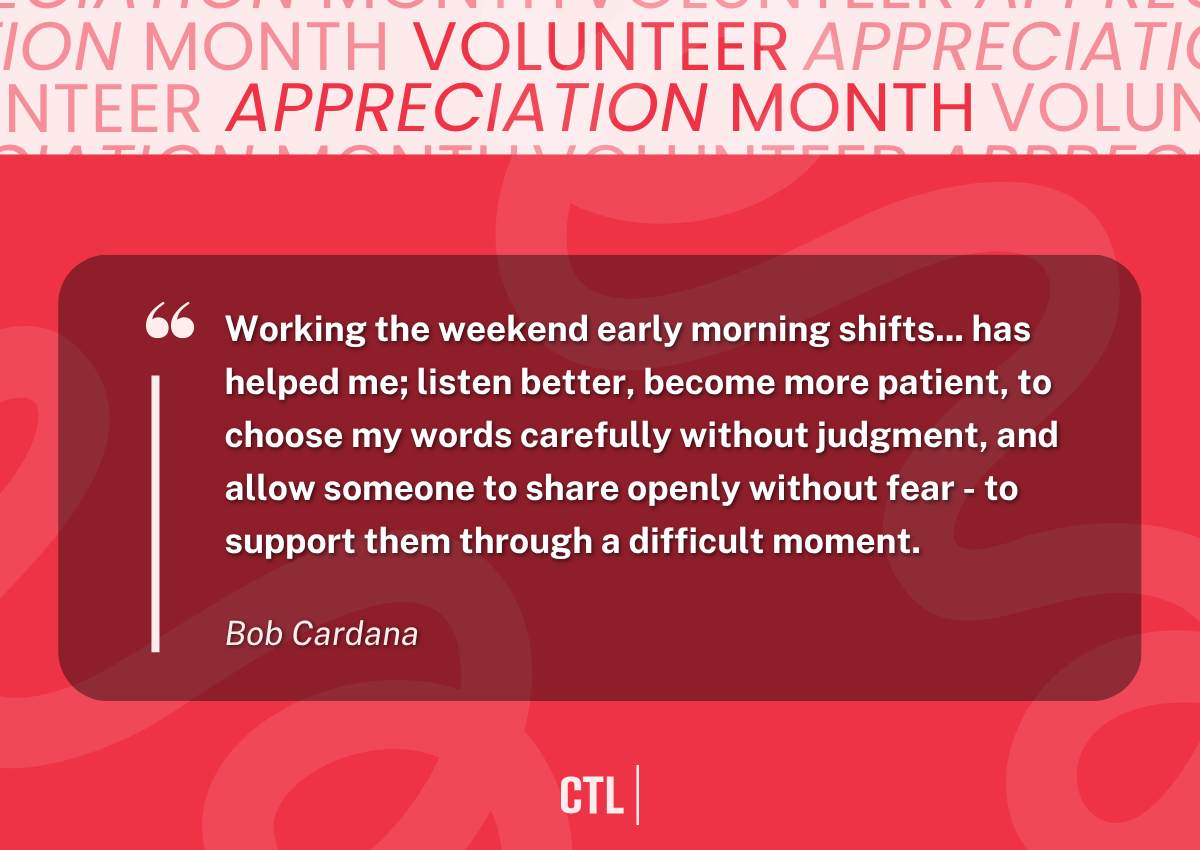
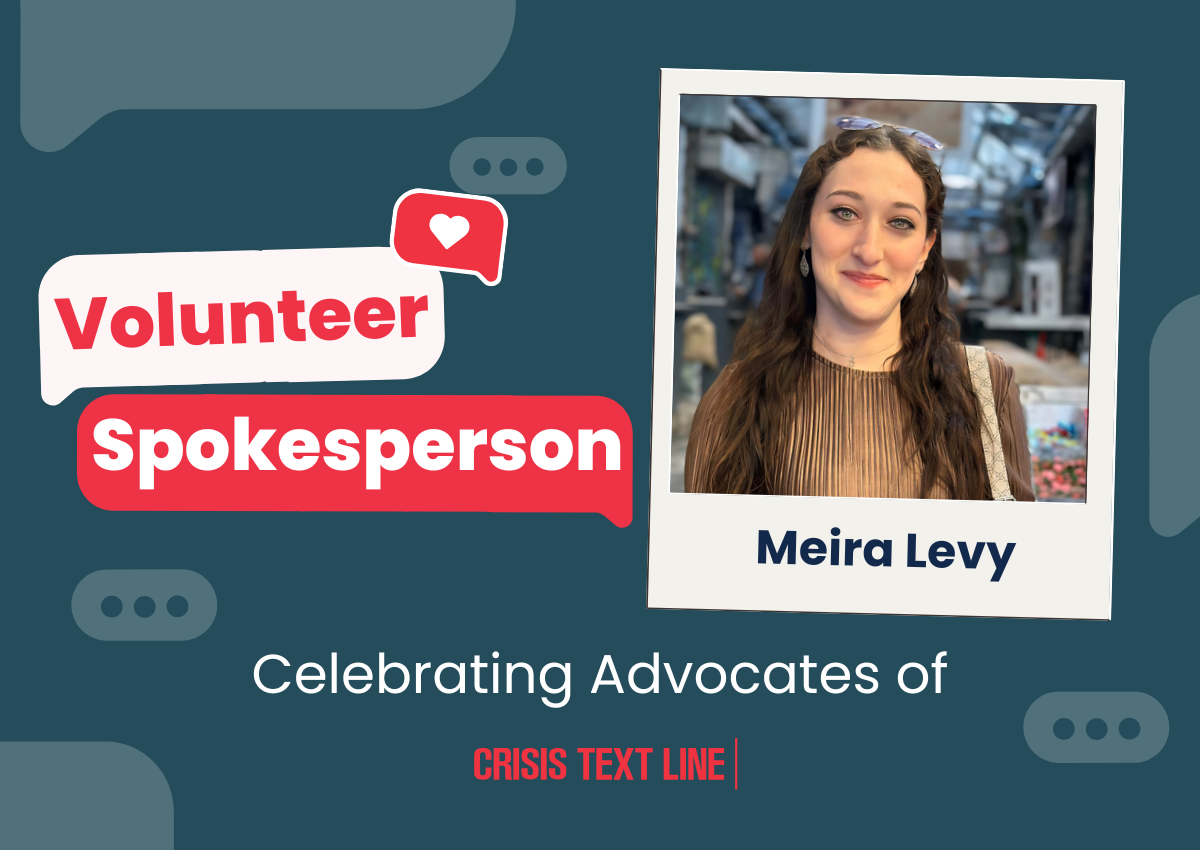
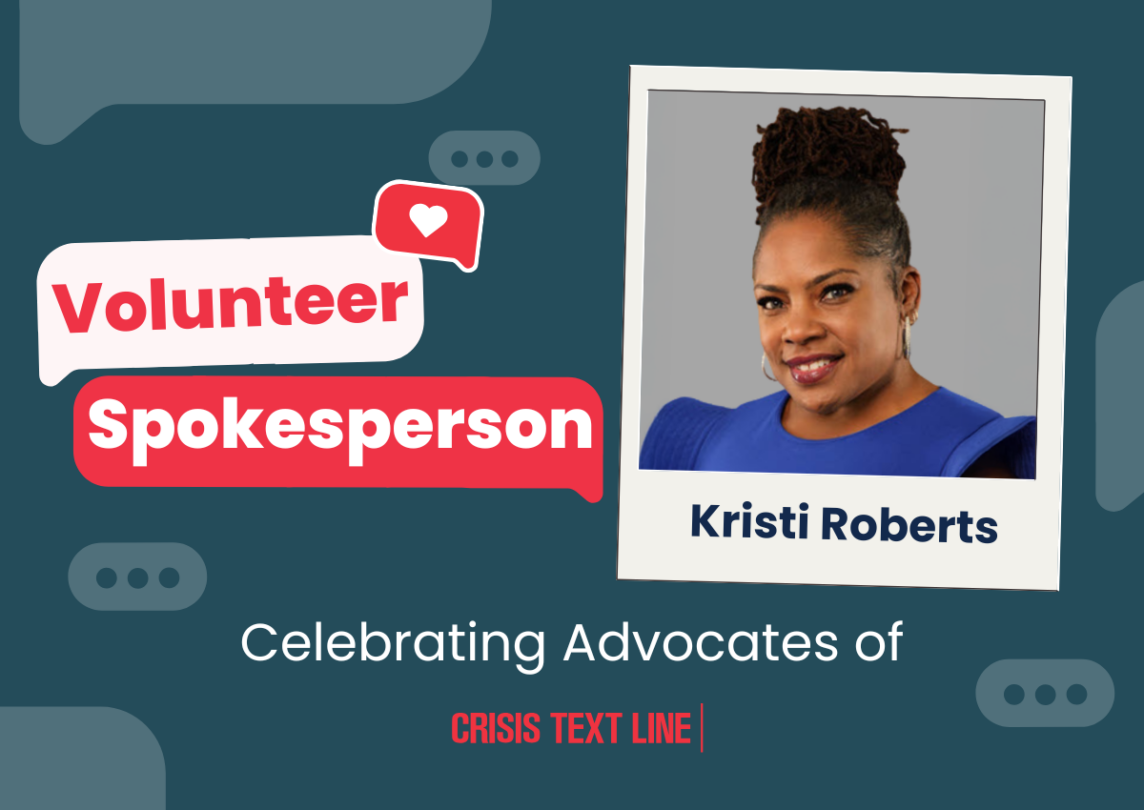
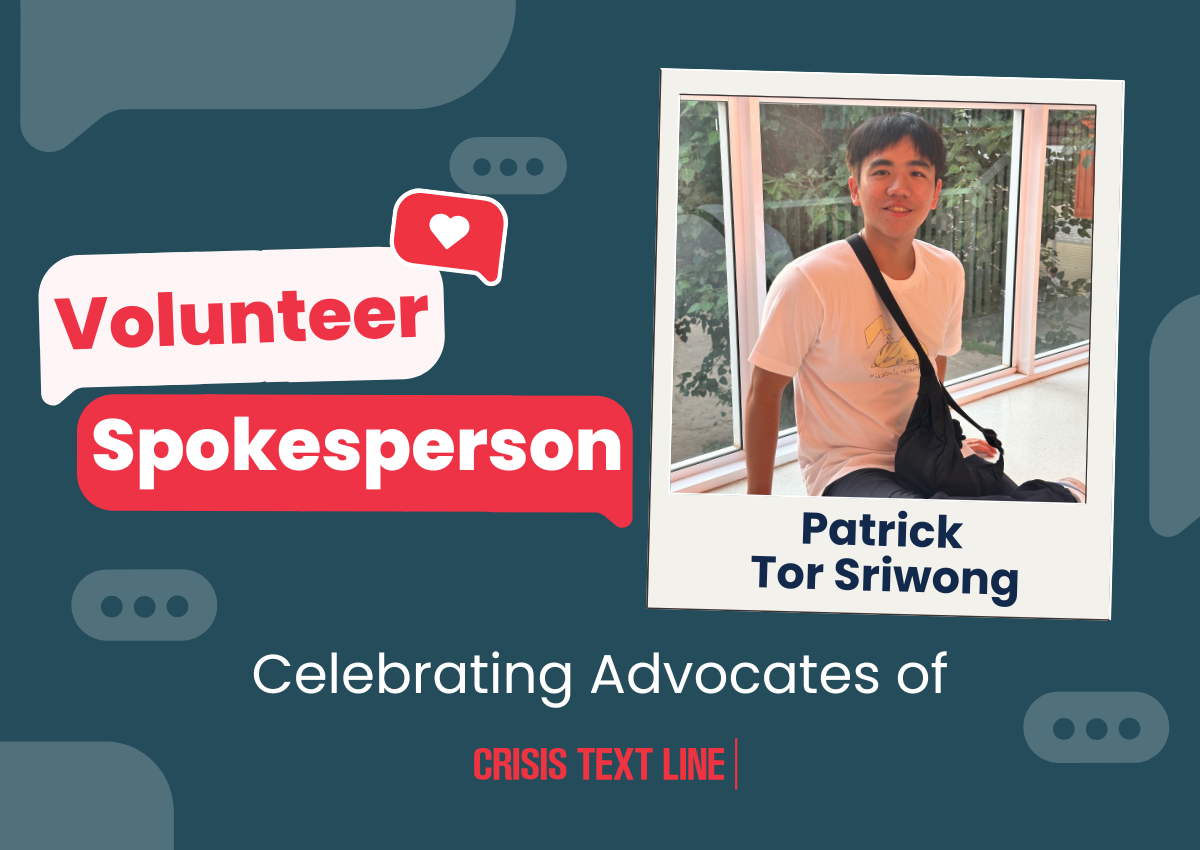
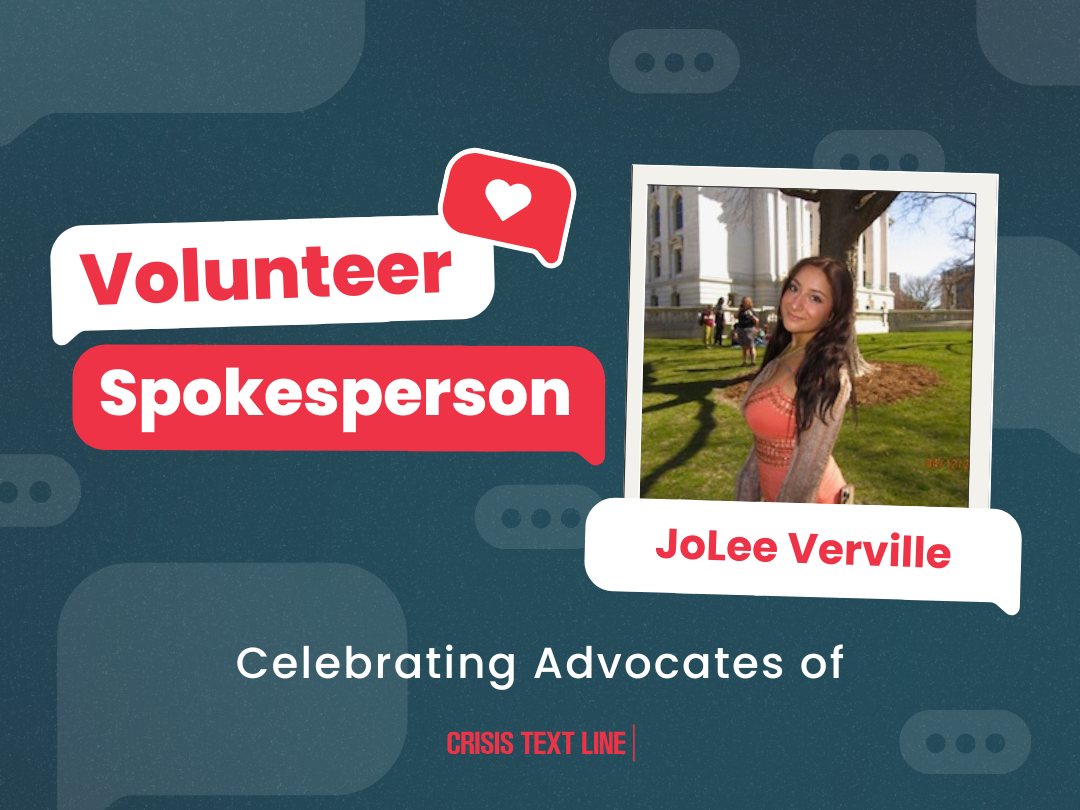
Meet some of our volunteer spokespeople and learn more about how volunteerism has made an impact on them:
Ready to Make a Difference?
Volunteerism has the power to strengthen communities, support people in need, and positively impact the volunteer as well. From building connection and confidence to improving mental health and creating lasting change, the benefits of volunteering affect everyone involved.
If you’re considering volunteering, know that it’s okay to take the time to find the right fit. Research organizations, explore different volunteer programs, and think about what causes matter most to you. The most meaningful volunteer role is often one that aligns with your values and allows you to contribute in a way that feels sustainable.
It’s also important to make sure you’re in a good place to offer your time and energy. Volunteering should be impactful, but it should also feel manageable. Remember that if you’re not able to commit your time right now through volunteering, there are always other ways to contribute such as donating to causes like Crisis Text Line.
Through making a donation, you are helping to make a difference by ensuring our incredible volunteer Crisis Counselors continue to show up for people in need.