Sports As a Coping Strategy

Sports as a Coping Strategy for Youth in Crisis

Advancing Research
Driving Impact


Young people in the United States are experiencing a mental health crisis. Based on our analysis of de-identified crisis conversations, the opportunity to engage in sports regularly could play a critical role in helping them cope.
Sports and movement are some of the most effective strategies to prevent and address mental health issues besides traditional mental health services and medication. Exercising for even half of the recommended 150 minutes per week has been shown to lower the risk of depression significantly. And yet, today, only 1 in 4 young people in the U.S. are getting the recommended amount of physical activity.
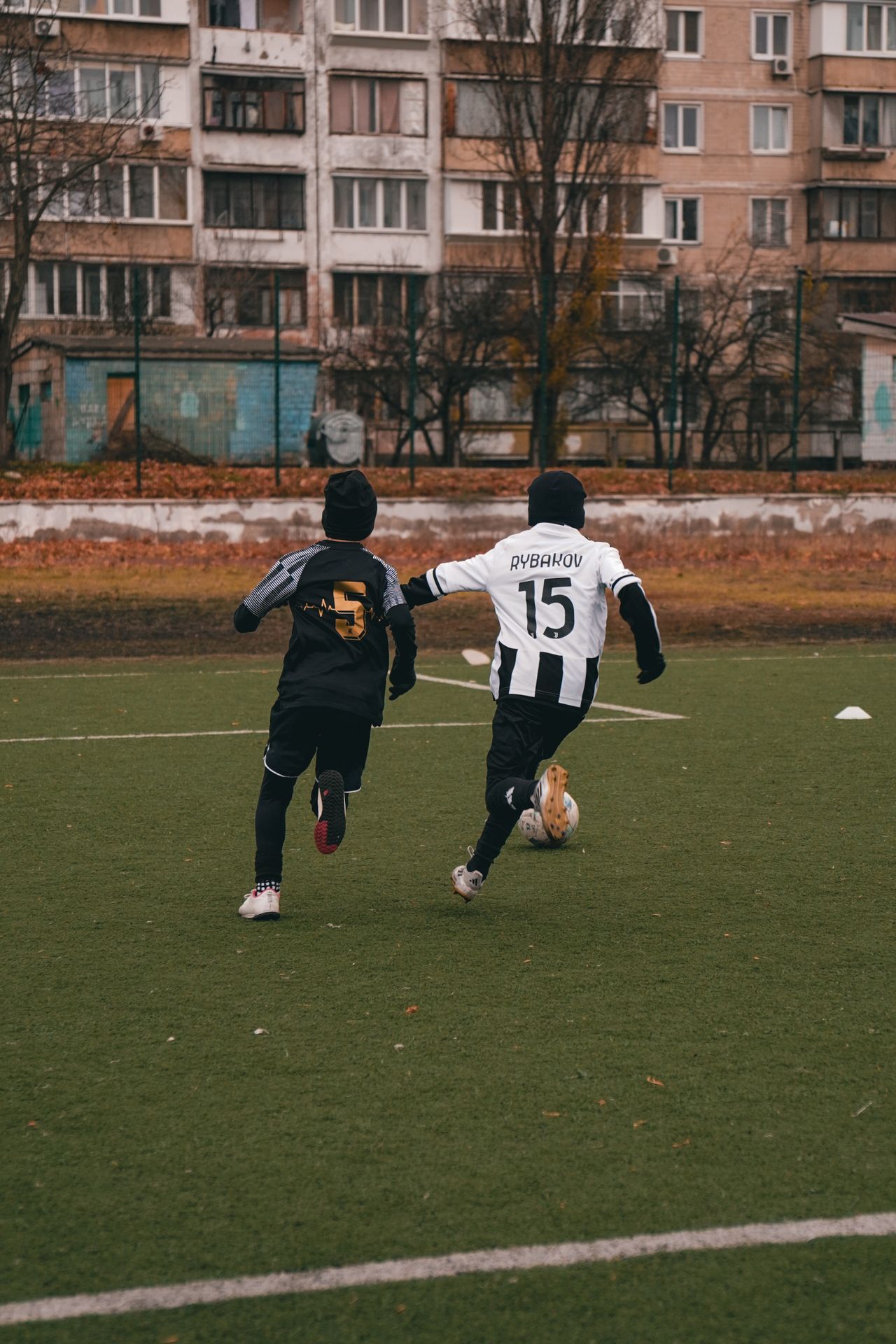

In our new report, Sports as a Coping Strategy for Youth in Crisis, we examine how young people turn to sports and time outdoors to cope in their hardest moments. We analyzed de-identified crisis conversations between 2022 and 2024 and found that 16% of young texters mentioned sports, walking, or outdoor movement as a way to cope with anxiety, stress, depression, and other forms of distress.
The report was produced with funding support from Nike.
Key Findings #
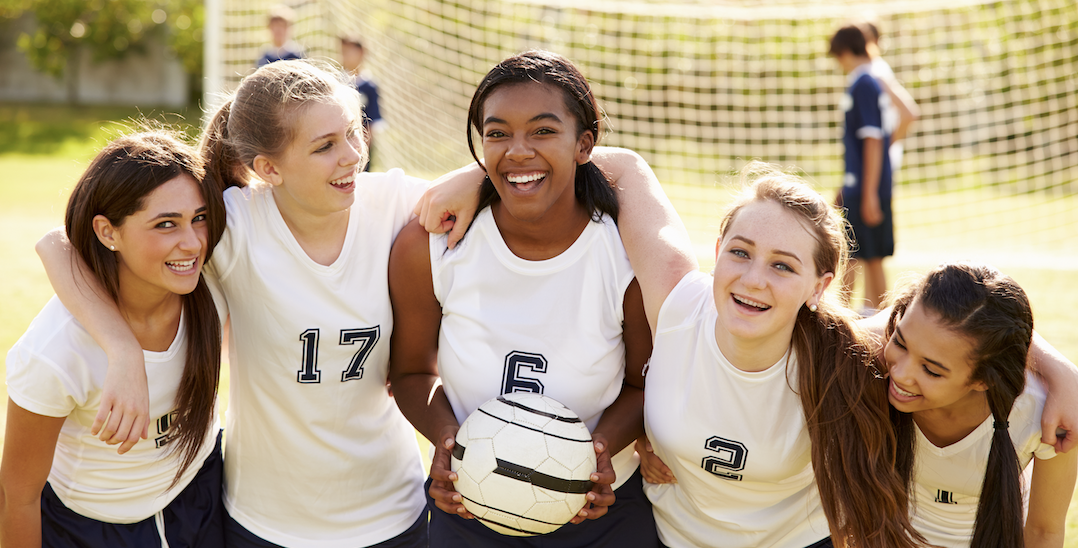
Sport and physical activity are doable, emotionally regulating, and within reach for many in the U.S. Being physically active is linked to lower levels of depression and anxiety.
Sports ranked third among coping resources for texters under 18, behind only social connection and making art, and ahead of mental health services.
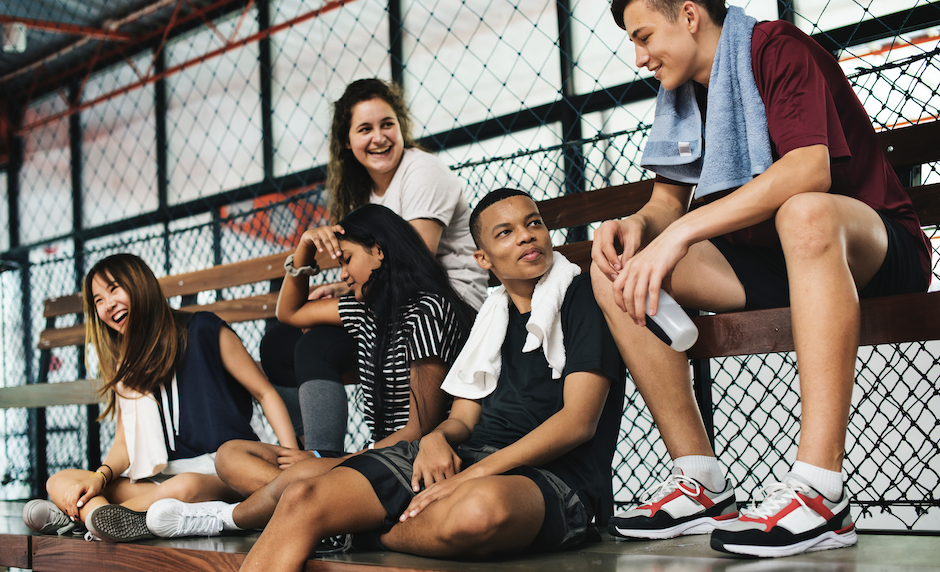

16% of young people mentioned sports, walking, or time outdoors as a way to cope. Most often, these conversations were about anxiety/stress, relationships, depression, suicide, or self-harm.
Sports are often mentioned alongside other coping strategies. In 27% of conversations where young people discussed sports, they also referenced relying on friends, coaches, and other social connections; and 25% also mentioned making art.
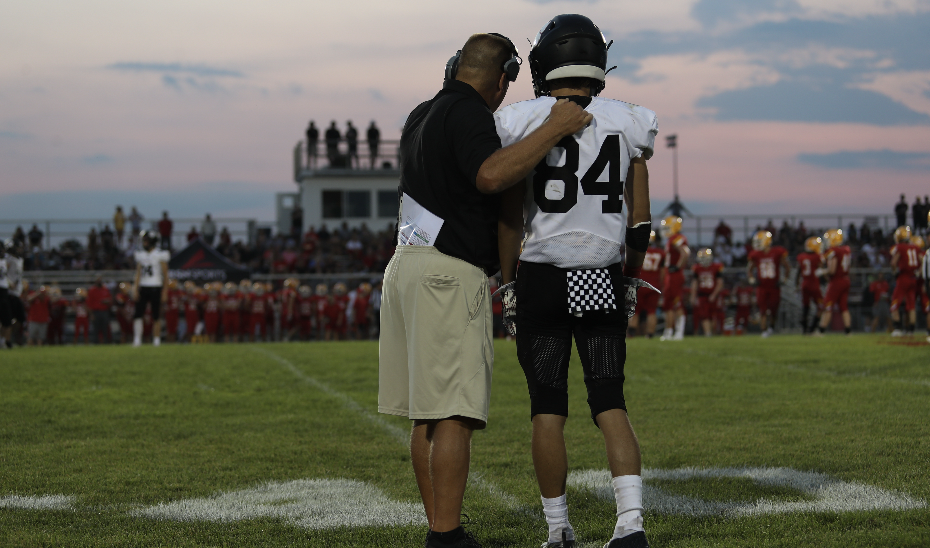
Young texters who mentioned sports discussed anxiety, stress, depression, and loneliness more often than our average,
