The Shared Human Experience of Mental Health
Mental Health Awareness Month is a time to bring attention to something that connects us all: mental health. It’s a reminder that mental health is not separate from our daily lives and is a real part of being human.
Mental health affects everyone in some way. It may show up through our own personal experiences, through the struggles of someone we love, or even through the loss of someone in our lives. At different points in time, all of us may feel overwhelmed, uncertain, or unsure how to put what we’re feeling into words. These moments are not signs of weakness. They are part of the human experience.
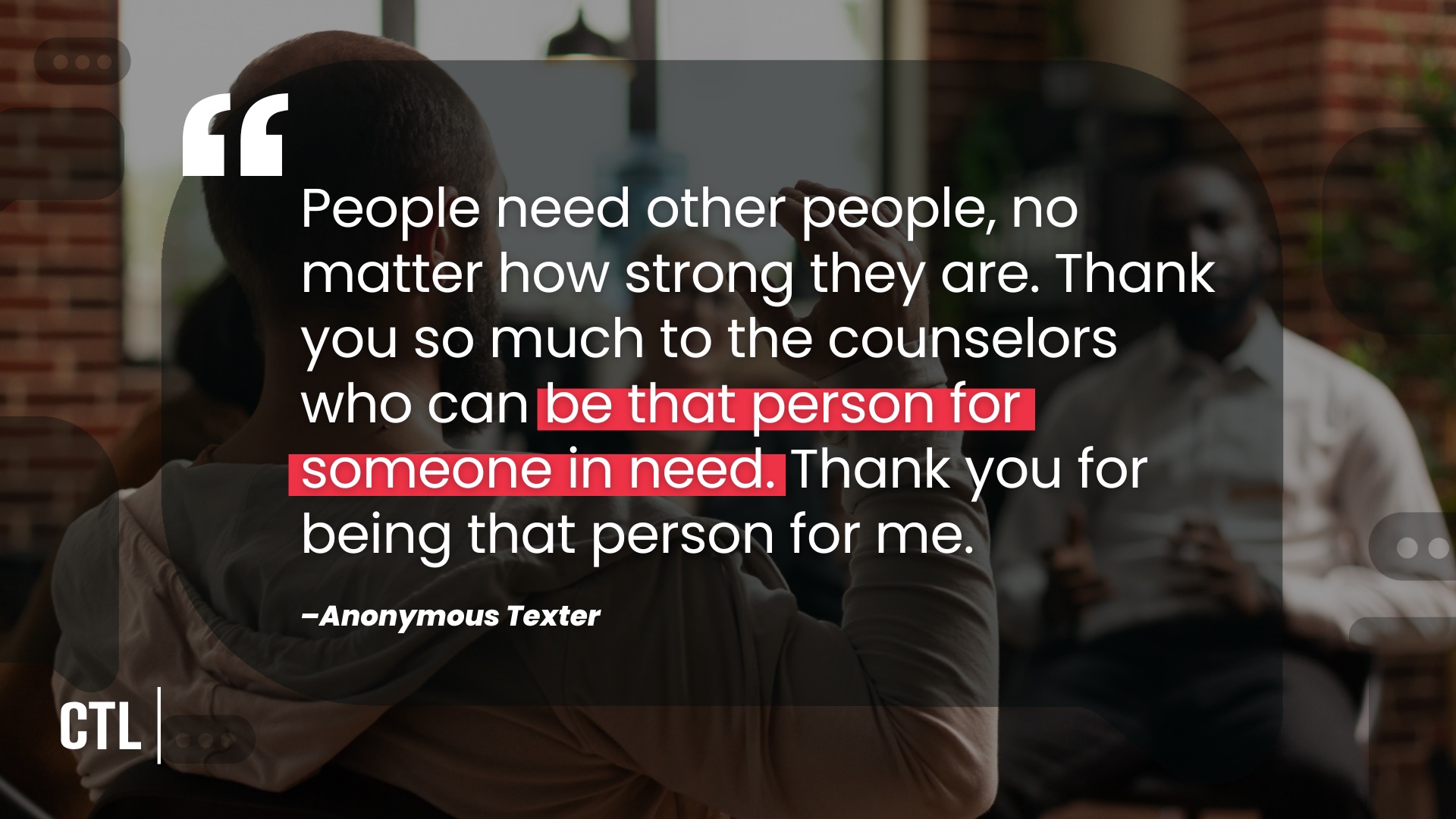
This month is dedicated to recognizing that we all carry mental health in some way. It’s also a call to action: to show up for ourselves with care and compassion, and to be there for each other with empathy and understanding.
In this blog, we’ll explore some of the reasons people struggle with mental health, highlight common challenges many of us face, and share stories from individuals who have navigated these experiences. If you or someone you know is struggling, you’re not alone. Crisis Text Line is here for you. Text CONNECT to 741741 for free, confidential, 24/7 support.
Mental Health—Why Do We Struggle?
There is no single reason why someone may struggle with their mental health. Each person’s experience is shaped by their own circumstances, relationships, and environment. Still, there are common threads that can affect many of us.
Everyday stressors can take a significant toll. Work responsibilities, school pressures, financial concerns, family dynamics, and relationships can build up over time. Even when these stressors seem manageable on their own, they can compound and begin to impact how we think, feel, and function.
Life transitions are another major factor. Moments of change, whether expected or unexpected, can bring both excitement and uncertainty. Starting a new job, moving to a different city, graduating, navigating changes in family structure, or experiencing loss can all affect mental health in different ways. Both negative and positive changes can feel overwhelming.
There are also more specific and deeply impactful experiences, such as trauma, abuse, substance use, or living with a mental health condition. These experiences can shape how individuals process emotions, cope with stress, and relate to others.
Recognizing that these challenges are part of the human experience is an important step toward reducing stigma. When we acknowledge that mental health struggles are common, and not something to hide, we create more space for open conversations, support, and healing.
Mental Health Issues That We Face
Mental health challenges can take many forms, and often they overlap. Someone experiencing financial stress may also feel anxiety. Grief can show up alongside depression or loneliness. Understanding these topics can help us better recognize what we or others may be going through.
Some common mental health issues include:
- Anxiety – Persistent worry, fear, or unease that can interfere with daily life. Learn more about anxiety.
- Bullying – Repeated aggressive behavior that can impact self-esteem, safety, and mental health. Learn more about bullying.
- Depression – Ongoing feelings of sadness, hopelessness, or loss of interest in activities once enjoyed. Learn more about depression.
- Eating Disorders – Complex mental health conditions related to food, body image, and control. Learn more about eating disorders.
- Emotional Abuse – Patterns of behavior that harm a person’s emotional well-being and sense of self. Learn more about emotional abuse.
- Financial Stress – Anxiety and pressure related to money, debt, or financial instability.
Learn more about financial stress. - Grief – The emotional response to loss, which can take many forms and timelines. Learn more about grief.
- Loneliness – A sense of isolation or disconnection, even when surrounded by others.
Learn more about loneliness. - Relationships – Challenges within friendships, family dynamics, or romantic partnerships. Learn more about relationships.
- Self-harm – Behaviors used as a way to cope with emotional pain. Learn more about self-harm.
- Suicide – Thoughts or actions related to ending one’s life, often connected to deep emotional distress. Learn more about suicide.
It’s important to remember that experiencing any of these challenges does not make someone alone or beyond help. These are human responses to difficult situations, and support is available.
Crisis Text Line is here to listen without judgment. If you need support, text CONNECT to 741741 to reach a live, trained volunteer Crisis Counselor–free, confidential, and available 24/7.
Mental Health Stories and Words of Support from Our Community
Mental health is deeply personal, but it is also something we share. During Mental Health Awareness Month, we want to highlight the voices of some of the people who have experienced these challenges firsthand.
Members of the Crisis Text Line community have shared powerful stories about navigating anxiety, coping with loss, working through relationship struggles, and finding moments of hope during difficult times. These stories remind us that while no two journeys look the same, there is comfort in knowing others have felt similar emotions, and have found ways to move forward.

Read Kylie’s story of overcoming a difficult journey with her mental health.

Read Bethany’s story of turning loss and grief into finding strength and purpose.

Read about Chelsey’s story from texter to volunteer Crisis Counselor.

Read Sophie’s story on finding a way forward from mental health struggles.
Whether it’s someone describing the courage it took to ask for help, or another person reflecting on how a single conversation made them feel less alone, these experiences highlight the importance of connection.
You can explore additional stories from our community here.
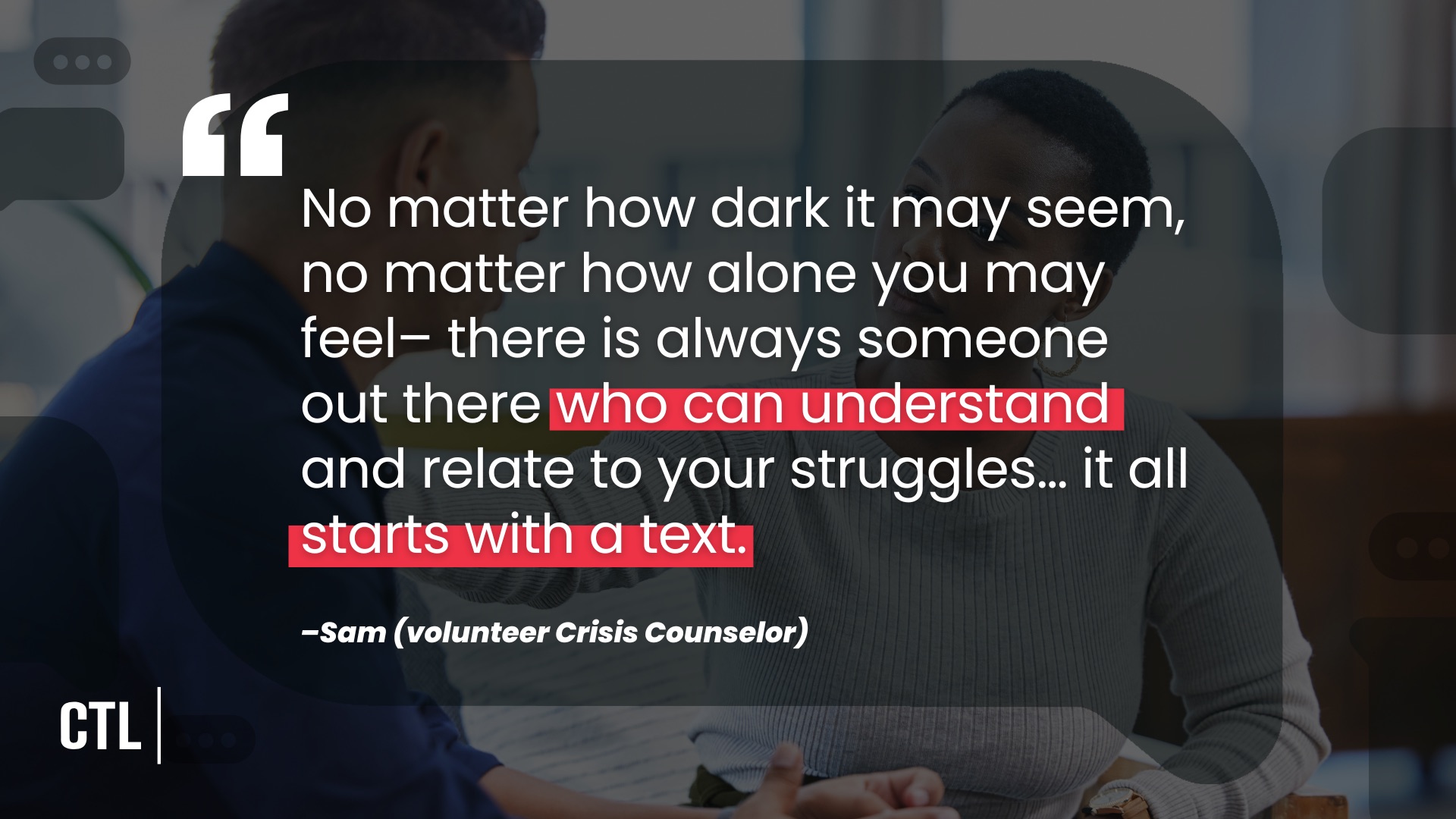
We hope the stories shared from our community offer reassurance, perspective, and encouragement. No matter where you are in your mental health journey, your experience matters, and you deserve support.
Elevate Mental Health Awareness—This Month and All Year Round
There are countless reasons why people struggle with mental health. From everyday stressors to life-altering events, these experiences are part of what it means to be human. And while they can feel isolating, they are also something that connects us all.
Mental Health Awareness Month is an opportunity to challenge stigma, start conversations, and remind one another that it’s okay to not have everything figured out. It’s a time to prioritize care for ourselves and for those around us.
No matter what you or someone you know is facing, you don’t have to go through it alone and support is always within reach. Crisis Text Line is here whenever you need it. Just text CONNECT to 741741 to connect with a live, trained volunteer Crisis Counselor. Anytime, free, and confidential.
If the importance of mental health awareness and access to support resonates with you, consider making a gift to Crisis Text Line. Your support helps ensure that anyone, anywhere, can reach out and be met with empathy during their most difficult moments.