Understanding Rural America: A Closer Look at Mental Health in Rural America
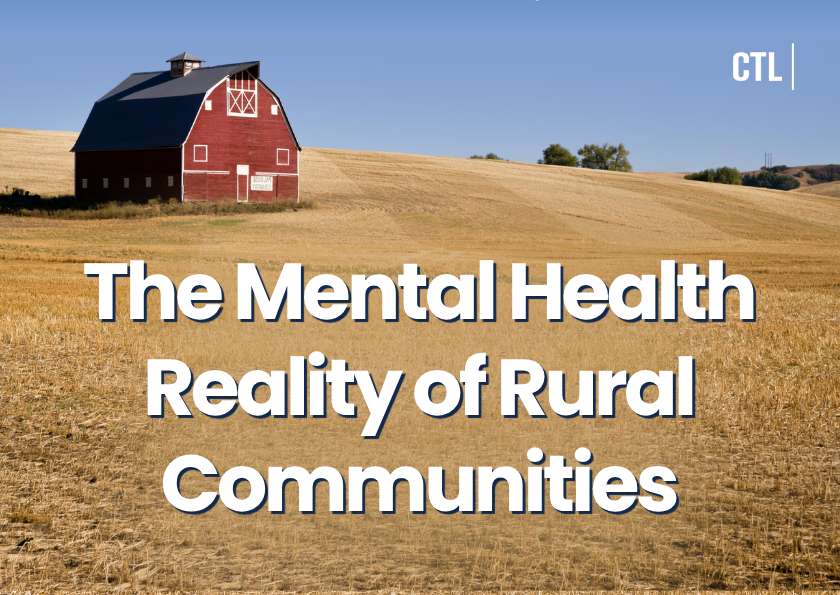
Across rural America, geographic isolation and limited access to mental health providers can turn distress into crisis. For many people, text-based support offers a vital, low-barrier resource when in-person care is out of reach.
Today, Crisis Text Line is sharing Understanding Rural America, a new report examining the experiences, stressors, and coping strategies of people reaching out for support from rural communities.
An estimated 12% of our conversation volume comes from rural areas. Many texters reach out because they have no other resource to rely on. Between 2019 and 2024, we supported more than 425,000 conversations with people in distress from rural communities. We analyzed these de-identified conversations to better understand what rural communities are experiencing and what they need.
Three key takeaways
No one else to turn to. 63% of rural texters reached out because they had no one else to talk to. Nearly 4 in 10 reported having no access to a therapist. For many rural communities, text-based crisis support isn’t a supplement to care; it’s the only care available.
Depression, relationships, and anxiety top the list. The most commonly mentioned issues were depression or sadness (37%), relationships (36%), anxiety or stress (34%), suicide (26%), and isolation or loneliness (20%). This pattern points to a mental health landscape shaped as much by isolation as by any single diagnosis.
Boys and men face isolation acutely. Boys and men in rural areas mentioned depression or sadness 41% of the time. Nearly 1 in 4 also mentioned feeling isolated or lonely, a signal that rural masculinity norms and geographic isolation may compound each other.
Why this matters
These numbers aren’t just data points; they’re a map of where the mental health safety net is thinnest. Rural communities face a documented shortage of providers, and this report shows what happens in that gap: people turn to text because there’s nowhere else to turn.
Turning insight into action
This report is one example of the insights Crisis Text Line’s research team can uncover through near-real-time analysis of crisis conversations. We regularly work with community organizations, funders, and policymakers to connect these insights with public data, helping partners better understand emerging needs, identify where resources can have the greatest impact, and inform advocacy efforts. If you work in mental health, education, or policy and would like to explore what our data insights could reveal about your community, contact our research team at research@crisistextline.org.